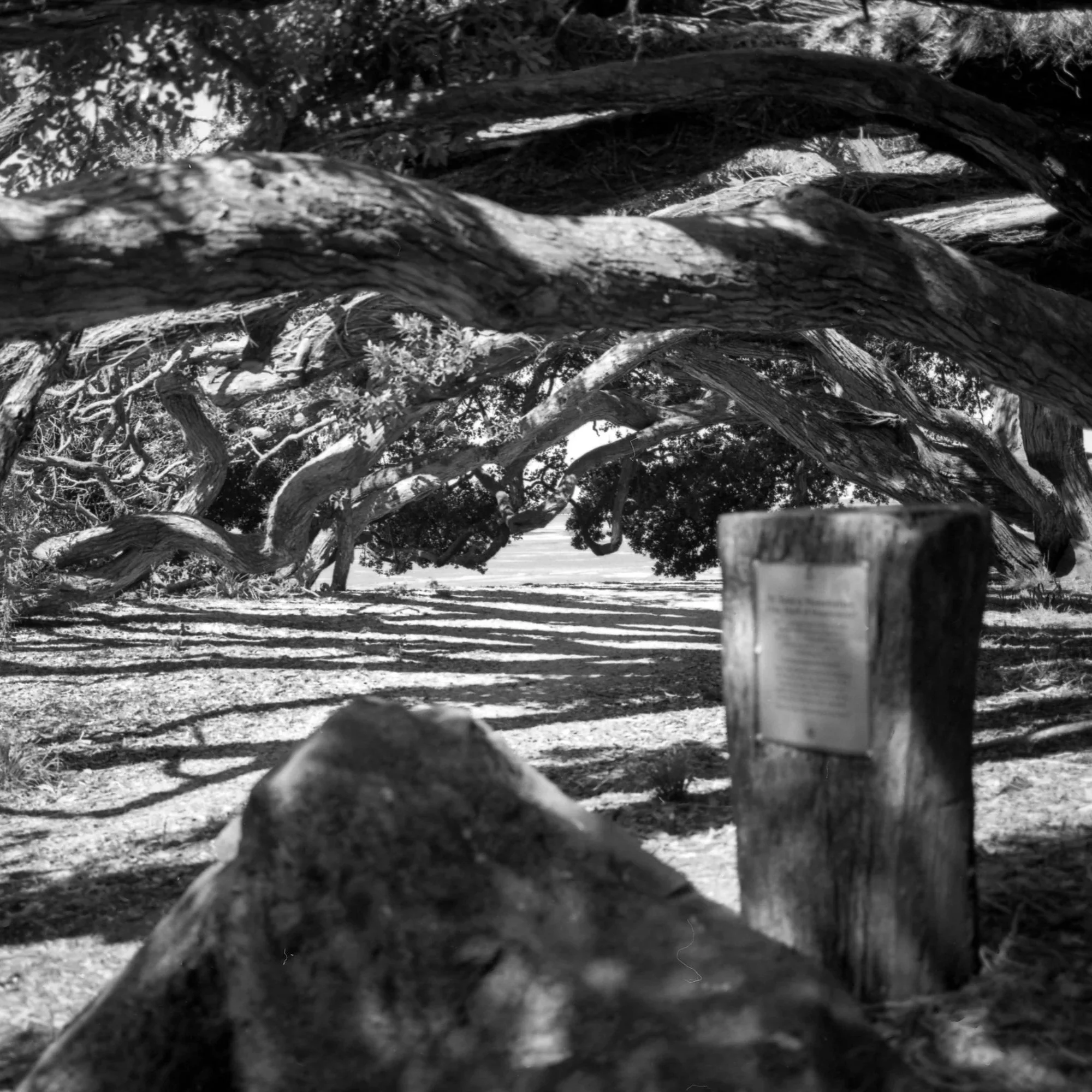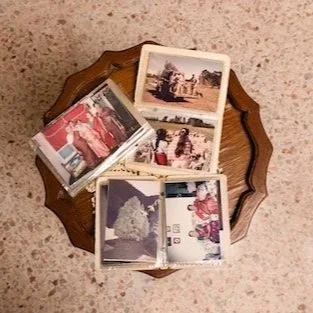
Abhi Chinniah
Studio One Toi Tu
1 Ponsonby Rd, Grey Lynn, Auckland
16 June - 29 June
Artist Talk:
Saturday 20 June, 2 - 3pm, Room 10 at Studio One Toi Tu
Part of the Auckland Festival of Photography
Read More
Abhi Chinniah
Studio One Toi Tu
1 Ponsonby Rd, Grey Lynn, Auckland
16 June - 29 June
Artist Talk:
Saturday 20 June, 2 - 3pm, Room 10 at Studio One Toi Tu
Part of the Auckland Festival of Photography
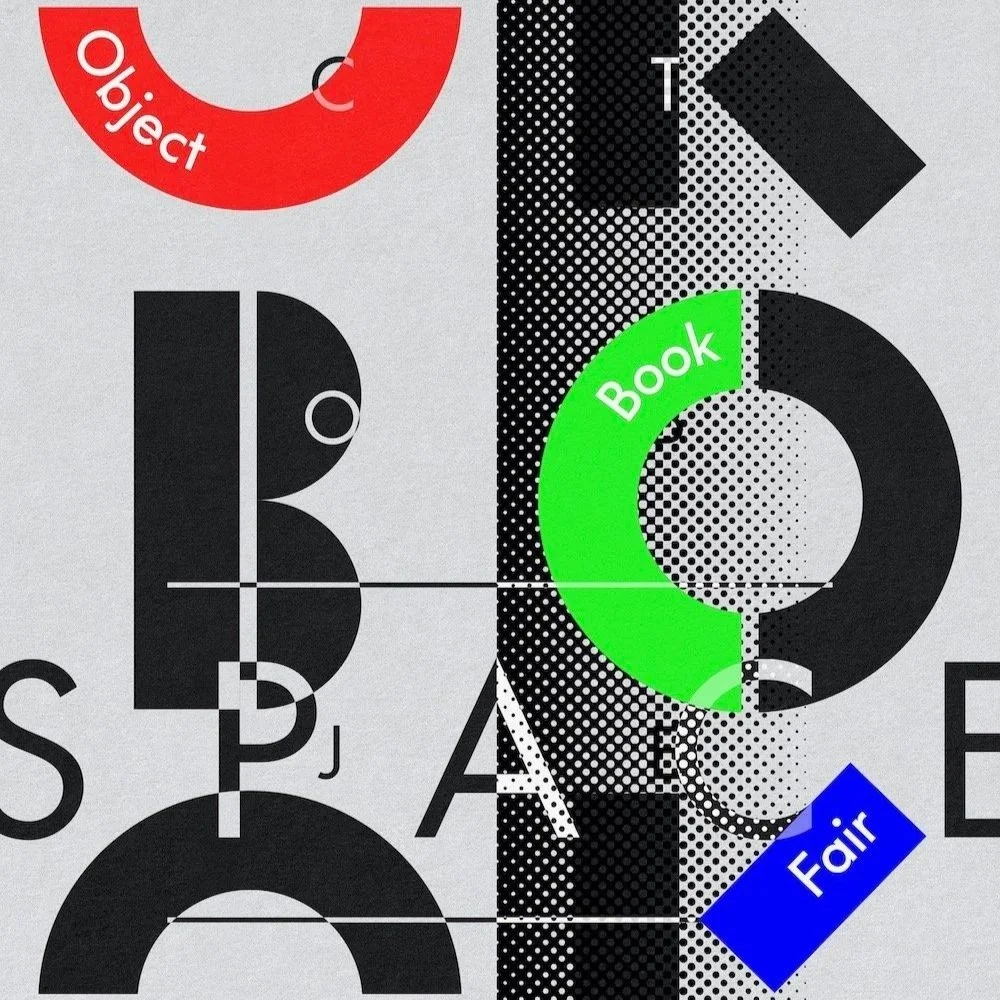
Read MoreObject Book Fair
Objectspace
13 Rose Road, Ponsonby Auckland
13-14 June, 11am-4pm (This weekend!)
Read MoreEntries open 10 June
Entries close midday, 15 July
New Zealand Geographic Photographer of the Year celebrates photographic craft and those moments that make our society and environment unique. This is the biggest celebration of editorial photography in the country. You can be part of it.
Read MoreElizabeth Corin
Lamplight Books
Flat G01, 100 Parnell Rd, Parnell
7 June - 14 June 2026
Opening 3pm Sunday 7 June
Part of the Auckland Festival of Photography
Read MoreConor Clarke
Two Rooms
16 Putiki Street, Grey Lynn, Auckland
5 June - 11 July 2026
Opening preview Thursday 4 June 5.30 - 7.30 PM
Part of the Auckland Festival of Photography
Read MoreAnn Shelton
Two Rooms
16 Putiki Street, Grey Lynn, Auckland
5 June - 11 July 2026
Opening preview Thursday 4 June 5.30 - 7.30 PM
Part of the Auckland Festival of Photography
Read MoreMax Oettli
National Library Wellington
Lower ground foyer, corner Molesworth and Aitken Streets, Thorndon, Wellington
3 June - 7 October 2026
Read MoreRuby Millichamp
Massey University Albany Library
1 University Ave, Albany, Auckland
30 May - 1 August 2026
Part of the Auckland Festival of Photography
Read MoreSamuel Scully
Massey University Albany, Library Gallery
1 University Ave, Albany
30 May - 1 August 2026
Part of the Auckland Festival of Photography
Read MoreViky Garden
Orexart Gallery
221D Ponsonby Rd, Ponsonby, Auckland
29 May - 20 June 2026
Opening 5:30pm Friday 29 May
Part of the Auckland Festival of Photography
Read MoreJenny Tomlin
Highwic
40 Gillies Avenue, Epsom
29 May - 13 June 2026
Part of the Auckland Festival of Photography
Read MoreFrancesca Brugnoli
Devonport Library
2 Victoria Rd, Devonport
29 May - 14 June 2026
Opening 6-8pm Sunday 7 June
Part of the Auckland Festival of Photography
Read MoreAbbie Cossey | Anne Basquin | Aimee Magne | Cassey Locke | Charlotte Parallel | Lou Corry | Madeline Jones | Christina Little | David Laughlin | Shelley Simpson
Eyes on Fire Gallery
15 Great North Rd, Grey Lynn, Auckland.
29 May - 18 June 2026
Opening Event 29 May at 6pm
Part of the Auckland Festival of Photography
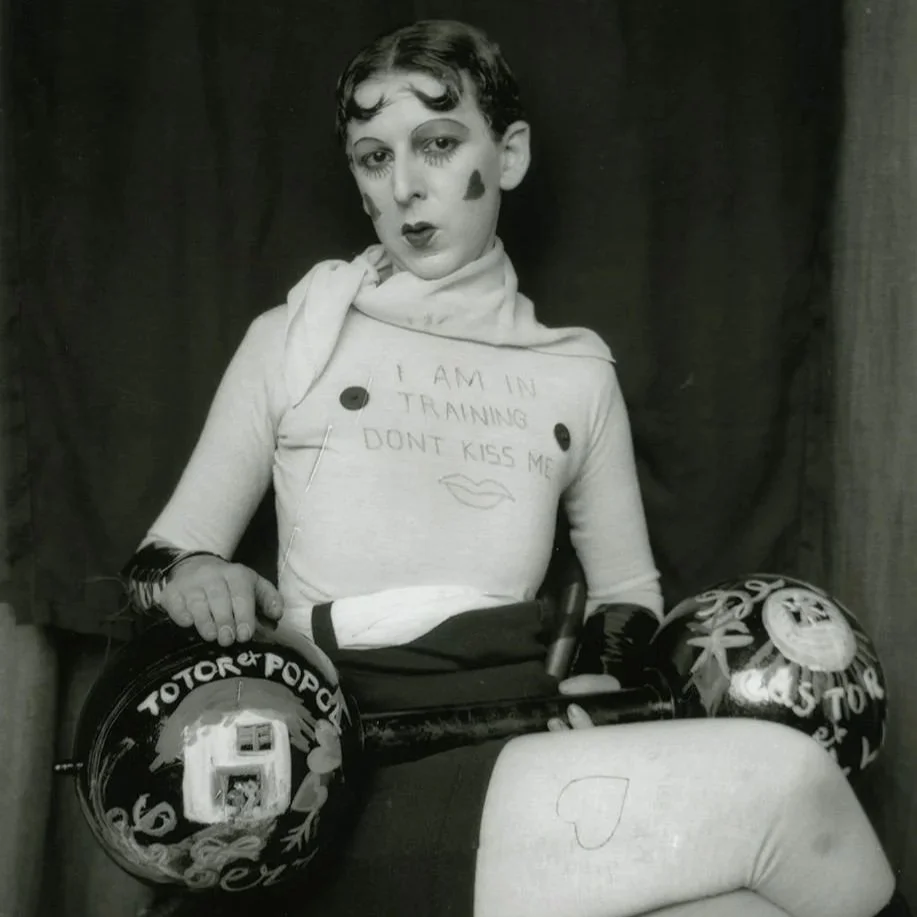
Read MoreClaude Cahun (1894-1954) and Marcel Moore (1892-1972)
Gus Fisher Gallery
The Kenneth Myers Centre, 74 Shortland St, Auckland
29 May – 22 August 2026
Part of the Auckland Festival of Photography
Read MoreMickey Smith
Sanderson
Osborne Lane, 2-4 Kent Street
Newmarket, Tāmaki Makaurau Auckland
27 May - 21 June 2026
Opening Friday 29 May, 5.30-7pm
Part of the Auckland Festival of Photography
Read MorePaul Gilbert
PwC Tower, HSBC Tower, Aon Centre, Jarden House and Deloitte Centre lobbies
15 Customs St West, Auckland Central
27 May - 17 June 2026
Part of the Auckland Festival of Photography
Read MoreAllan McDonald
Outdoor exhibition
Te Tuhi Billboards at Parnell Station
23 Cheshire Street, Parnell, Tāmaki Makaurau Auckland
24 May - 19 July 2026
Read MoreBrendan Kitto
Te Tuhi Project Wall
21 William Roberts Road, Pakuranga
Tāmaki Makaurau Auckland
& Te Tuhi Billboards on Reeves Rd
23 May - 19 July 2026
Read MoreSimon Mark
Perseverance
A new photobook published by Simon Mark.
Design by Professor Anna Brown
Texts by Dr David Cross and Dr Martin Patrick
Read More